K-12 Generative AI: 15 ChatGPT Uses for Students and Teachers
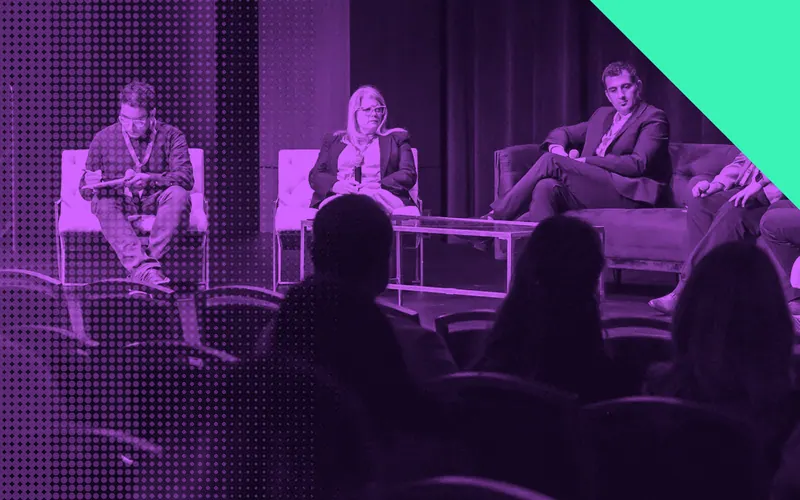
At the 2024 AI Connect K-12 Data Science Conference, Kelly Dowd, Director of Data Science at AT&T, demonstrated 15 prompts students can try in ChatGPT. She stressed that it should not do homework for them, that math answers need checking, and that more detail yields better answers.
By The AI Enterprise Magazine Team4 min read
Key takeaways
- A learning aid. Dowd said ChatGPT can support learning but should not do homework.
- Verify answers. The reasoning on math can be good, but check the final answer.
- Details help. The more context in a prompt, the more personalized the answer.
- Results vary. The same prompt can produce different answers each time.
- Beyond school. Ideas ranged from German phrases to puppy training and coding basics.
At the 2024 AI Connect K-12 Data Science Conference, a virtual event, Kelly Dowd, Director of Data Science at AT&T, walked students, parents and teachers through 15 ways young people can use ChatGPT, from homework help to training a new puppy. Her message: whatever you are interested in, generative AI can help, but its answers need checking.
Dowd said she relied heavily on OpenAI's ChatGPT for the talk, and she asked younger attendees to get a parent's or guardian's permission before signing up for an account.
Where do students already meet generative AI?
Dowd opened with products students already use. Google, she said, now shows a generated answer above the usual links when users ask specific questions. YouTube now requires creators to disclose if they used generative AI to create any portion of their content. Spotify, she added, had just introduced a beta AI playlist feature that builds a playlist from a phrase describing the music you want.
She addressed the rumor that ChatGPT will do homework for you. "That is not what it's for," she said, adding that it can support learning. "I would not rely on it to do your homework for you," she said, and she expected teachers would agree.
How can ChatGPT help with homework and schoolwork?
Her first examples were academic. A student who does not understand long division can ask for step-by-step instructions. Dowd said ChatGPT is getting better at math, but she cautioned: "Don't always trust that final answer, make sure you check it yourself."
For creative writing, a student with writer's block can ask for backstory ideas for a character, such as a seventh grader who wants to be an astronaut. A student can also ask for three words that would be new to an eighth grader, with definitions, synonyms and a sample sentence. Dowd's example result was "serendipity." In response to an audience comment, she added that ChatGPT can check spelling and grammar, something she does herself when preparing presentations.
What are fun and practical uses outside school?
Most of the 15 ideas were about hobbies and daily life. Dowd showed prompts for:
- Safe at-home science experiments for a 12-year-old. She noted that the first answers tend to be familiar ones, such as a volcano, because the model is trained on public internet information.
- Basic German phrases with a pronunciation guide for a trip to Germany.
- Puns to cheer up a friend, with the option to regenerate an answer or give a thumbs down so the tool can improve.
- Lyrics to start a song, penalty-kick pointers for soccer, fun facts about koalas, basic puppy-training commands, craft ideas such as tie-dye and slime, and a quick briefing on robotics.
- Ways to volunteer, including animal shelters, libraries, community gardens and senior centers.
For crafts she reminded young viewers to ask a parent or guardian first.
Why do prompts matter?
Dowd used a birthday card for a grandfather's 80th as a simple example of prompt engineering. The first draft was long and heartfelt, so she asked for something shorter and more to the point. She said users can also ask it to sound more casual or more like their own tone.
"The more information you give it the better your answer will be," she said, noting that her science prompt included her age and interest. She also warned that the same prompt will not return the same answer each time, because the tool generates a new response. She said that its strengths vary by topic, so users should take results "with a grain of salt" and validate them.
How can students start building generative AI?
For students excited enough to build their own application, Dowd asked ChatGPT how a person with no coding experience could begin. It suggested learning coding basics and generative AI concepts, then trying no-code or low-code platforms. In response to an attendee question, she said a personal website could use a chatbot trained on its own content to answer visitors' questions.
Dowd described data science as a field for people who like working alone and in teams, and as a good-paying one. She shared her LinkedIn profile for parents and educators with follow-up questions.
Where to hear more
AI Connect continues to run free live sessions on data and AI. The 2027 schedule includes 24 free live webinars across four series: the AI x Enterprise Panel Series, AI Demo Days, Agentic AI Showcases and the Plug & Play Series. Registration for 2027 events is coming soon. See the webinar schedule.
Frequently asked questions
Can students use ChatGPT for homework?
Dowd said it can help with understanding but she would not rely on it to do homework, and that students should check its answers, especially in math.
What are creative ways to use ChatGPT?
She showed prompts for story backstories, vocabulary, science experiments, travel phrases, song lyrics, sports tips, crafts and volunteering ideas.
How do you get better ChatGPT answers?
Give more information, such as your age and interests, and ask for revisions such as shorter or more casual wording.
Should young users get permission first?
Dowd asked younger attendees to get a parent or guardian's permission before signing up for ChatGPT.
This article is based on remarks by Kelly Dowd, Director of Data Science, AT&T at AI Connect K-12 Data Science Conference 2024 on July 25, 2024. More coverage: More AI Connect Events.
Filed under: AI Use Cases & Applications, People, Culture & Leadership