What Is a Trend? Correlation vs. Causation for K-12 Students
At the 2024 AI Connect K-12 Data Science Conference, Redis developer advocate Savannah Norem defined a data science trend as how one piece of data relates to another. She used ice cream sales, Netflix recommendations and weather to teach correlation versus causation and prediction.
By The AI Enterprise Magazine Team4 min read

Key takeaways
- A trend is a relationship. Norem defined a data science trend as how one piece of data relates to another.
- Correlation is not causation. Ice cream sales and temperature rise together, but buying ice cream does not heat the weather.
- Trends support predictions. A shop can plan stock by using what already happened to guess what comes next.
- Recommendations use trends. Netflix looks at what viewers watch and quit to guess what they will like next.
- Trends touch daily life. Norem cited weather forecasts, medicine and traffic planning as examples.
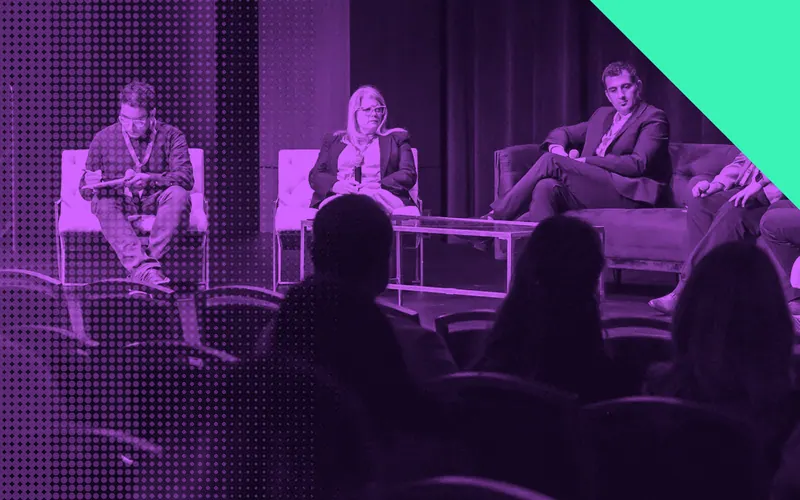
At the 2024 AI Connect K-12 Data Science Conference, Savannah Norem, Developer Advocate at Redis, gave students a plain-language answer to a question that sits at the center of data science: what is a trend? Speaking in a virtual session, she used ice cream sales, Netflix recommendations and weather forecasts to show how data can be used to describe the present and predict what comes next.
Norem opened with a live poll on the Mentimeter website. Students described a trend as "something popular for a short period of time," a pattern that shows change over time, or the start of something that continues.
What is a trend in data science?
In data science, Norem said, a trend is "how one piece of data relates to another." Data, she explained, just means something we know, such as how tall you are or how old you are.
She started with height and age. For a stretch of childhood, growth tracks age closely, and then it stops. Her second example was personal: she eats more hot soup when it is cold outside, and more ice cream when it is hot.
Everyday words like "trending" and "trendy" usually refer to how popular something is over time, she noted. In data terms, that is two pieces of data, popularity and time, set side by side.
Does correlation mean causation?
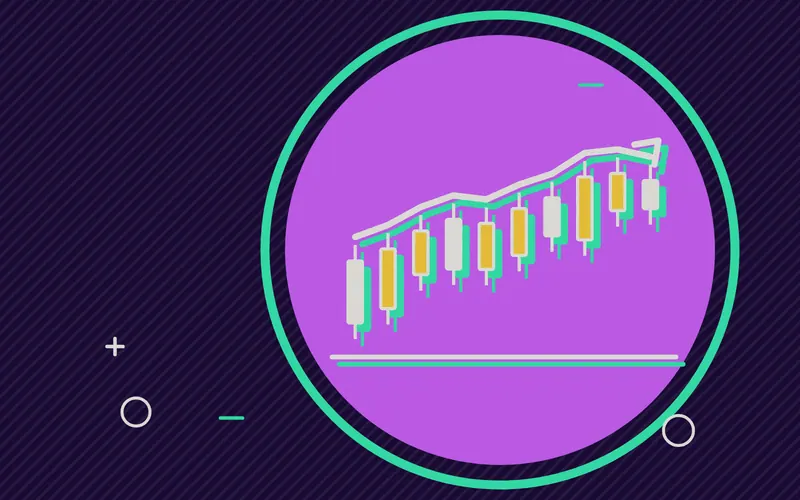
Norem showed two graphs, monthly ice cream sales and monthly temperature, running from January to December. The peaks line up. When she plotted sales against temperature directly, the two rose together.
Then she asked whether buying more ice cream makes the weather hot. It does not, she said. "Just because two things are related does not mean that one of them has to cause the other one to happen."
Students in the chat named the idea themselves: correlation versus causation. Norem called it an important concept in data science, and in how people read the news. Her Barbie movie example made the same point on a smaller scale. She said she knew several people who bought pink clothing for the film, but she said that anecdote alone could not prove pink became more popular. That would take bigger data.
How can businesses use trends to make predictions?
Norem asked students what they would do differently if they owned an ice cream shop. Their answers included selling from a truck in hot weather, offering warm drinks in winter and buying less stock when it is cold.
Once a business sees that sales rise with temperature, she said, it can make a guess about what will happen next based on what already happened. If next month is forecast to be hotter, it can make more ice cream. If it will be colder, it can make less.
A correlation does not prove cause, she said, but it can still guide smart decisions.
How does Netflix use trends to recommend shows?
Norem asked students to list the themes of their favorite shows and games in the poll. Adventure, drama, romance, superheroes and action came up. She said her own picks lean toward magic and romance.
Netflix, she said, looks at what a viewer watches a lot and what they quit quickly. If someone watches Harry Potter and Criminal Minds, the service tries to work out what those titles share. Then it recommends something similar.
She joked that a show with magic, romance and big explosions might miss, since explosions are not her thing. Each rejection also teaches the service something about what she likes, she said.
Where else do trends affect daily life?
Weather forecasting does not rely on "it's sunny today, so it will be sunny tomorrow," Norem said. Forecasters use global weather patterns, conditions across the U.S. and atmospheric pressure to predict the next day.
In medicine, she said, doctors can use data to say that a given set of symptoms is likely to improve with a particular treatment. In traffic planning, cities can look at when and where people travel to decide which roads or lights need work. She gave an example of widening a two-lane road to three lanes.
What should students take away?
Norem closed with three points:
- A data science trend describes how two things we know relate to each other.
- Related things do not necessarily cause one another.
- Trends built on past information can be used to predict the future, as Netflix and weather forecasters do.
She said she used a few graphs from outside sources and some help from ChatGPT in preparing the talk, and she asked students to revisit the opening poll and revise their definition of a trend.
Explore more data education with AI Connect
Sessions like this one are part of AI Connect's long record of making data and AI approachable. For live, practical sessions today, AI Connect's 24 free live webinars on the 2027 schedule span four series: the AI × Enterprise Panel Series, AI Demo Days, Agentic AI Showcases and the Plug & Play Series. Details are on the webinars page, and registration for 2027 events is coming soon.
Frequently asked questions
What is a trend in data science?
Savannah Norem described it as how one piece of data relates to another, such as height and age or ice cream sales and temperature.
What is the difference between correlation and causation?
Two things can move together without one causing the other. In Norem's example, ice cream sales rise with temperature, but buying ice cream does not make it hot.
How does Netflix use trends?
Norem said Netflix tracks what you watch a lot and what you quit, then finds what those shows share to recommend similar ones.
Why do trends matter for businesses?
Norem said a shop that sees sales rise with temperature can use that to decide how much stock to prepare for the coming month.
This article is based on remarks by Savannah Norem, Developer Advocate, Redis at AI Connect K-12 Data Science Conference 2024 on July 25, 2024. More coverage: More AI Connect Events.
Filed under: AI Use Cases & Applications, People, Culture & Leadership